
The Evolution of Digital Creativity
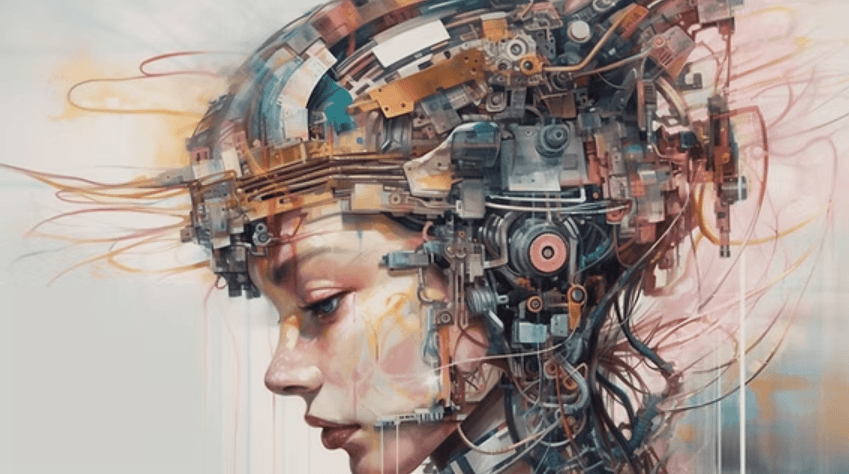
Technology has changed the way people create, edit, publish, and experience creative work. A process that once required specialized equipment or physical materials can now be completed with computers, tablets, cameras, and digital software.
This transformation has opened creative opportunities for professionals and beginners alike.
From Traditional Tools to Digital Workspaces
Artists, photographers, writers, designers, musicians, and filmmakers increasingly use digital tools as part of their creative processes. Software can provide editing capabilities, organizational features, and production environments that would have been difficult to access in the past.
Digital tools do not replace creativity. Instead, they provide new ways for creative ideas to become finished work.
The Rise of Independent Creators
Technology has also reduced some of the barriers between creators and audiences. A person can create content from a relatively small workspace and distribute it through online platforms.
This has allowed independent creators to build audiences without relying entirely on traditional publishing or entertainment channels.
Experimentation Has Become Easier
Digital production makes experimentation more practical. A designer can test multiple versions of an image, a filmmaker can edit scenes repeatedly, and a musician can adjust a recording without recreating the entire project from the beginning.
The ability to revise work quickly can encourage experimentation and learning.
See also: tozymagazine.com || tozymagazine.com usa
Collaboration Across Distances
Creative projects can now involve people living in completely different locations. Files can be shared digitally, feedback can be provided remotely, and teams can work on projects without being physically present in the same studio.
This has expanded the possibilities for international creative collaboration.
New Questions for Creators
The digital creative environment also introduces challenges. Ownership, originality, attribution, platform rules, file preservation, and changing technologies are all important considerations.
Creators need to think not only about producing their work but also about how that work is stored, shared, credited, and protected.
Final Thoughts
Technology has expanded the creative toolbox. It has made production more accessible, collaboration easier, and experimentation faster. At the same time, successful digital creativity still depends on ideas, practice, originality, and the ability to communicate something meaningful to an audience.
One Comment